Five days is the first Masai Mara itinerary length that gives migration Safari genuinely good odds. It is long enough to arrive, settle, track the herds across multiple drives, position for river crossings on more than one attempt, and absorb the wider ecosystem rather than racing through it. For most travellers who want the migration as the centrepiece of their Kenya trip, five days is the practical sweet spot.
This day-by-day guide shows how a five-day migration itinerary is typically structured, what each day should accomplish, and how to adapt for conditions you cannot predict in advance.
Why Five Days Works Better Than Three
A three-day migration safari is possible, but it is tight. You arrive, take three or four game drives, and leave. If the wildebeest herds are positioned near a crossing point on your specific days, the experience can be extraordinary. If they are not, you spend most of the trip watching for river movement that never arrives.
Five days gives you margin. Three full wildlife days instead of one and a half. Multiple river attempts on different days. Time to cover several Mara zones instead of one.
| Duration | Full Wildlife Days | River Crossing Attempts | Ecosystem Zones Covered |
|---|---|---|---|
| 3 nights | 1 to 2 | 1 to 2 | 1 to 2 |
| 5 nights | 3 to 4 | 3 to 5 | 3 to 4 |
| 7 nights | 5 to 6 | 5 to 8 | Full ecosystem |
The migration cannot be scheduled. Wildebeest approach the Mara River, hesitate, retreat, and cross unpredictably. Having more days means more positions, more time at the bank, and higher probability of witnessing a crossing.
Day-by-Day Itinerary
Day 1: Arrival and Orientation
Arrive by air from Wilson Airport (45 to 55 minutes) or by road from Nairobi via Narok (five to six hours). Road travellers should aim to depart Nairobi by 06:00 to arrive in camp by early afternoon.
After check-in and a camp briefing, the afternoon drive goes out around 16:00. This drive is for orientation — reading the road network, checking where the herds are positioned, and understanding what your guide is planning for the next morning.
Evening notes typically include: herd direction, predator activity reports from other vehicles, and a provisional plan for Day 2.
Day 2: First Migration Drive
The first serious wildlife day starts before dawn. Packed breakfast, departure around 05:30.
Your guide will have checked morning reports and radio contact with other guides before leaving. The choice of direction — Mara River, Sand River, open plains, or conservancy corridor — depends on where the movement was the previous evening.
What you might encounter:
- Wildebeest columns moving across the plains
- Zebra running ahead of the wildebeest advance
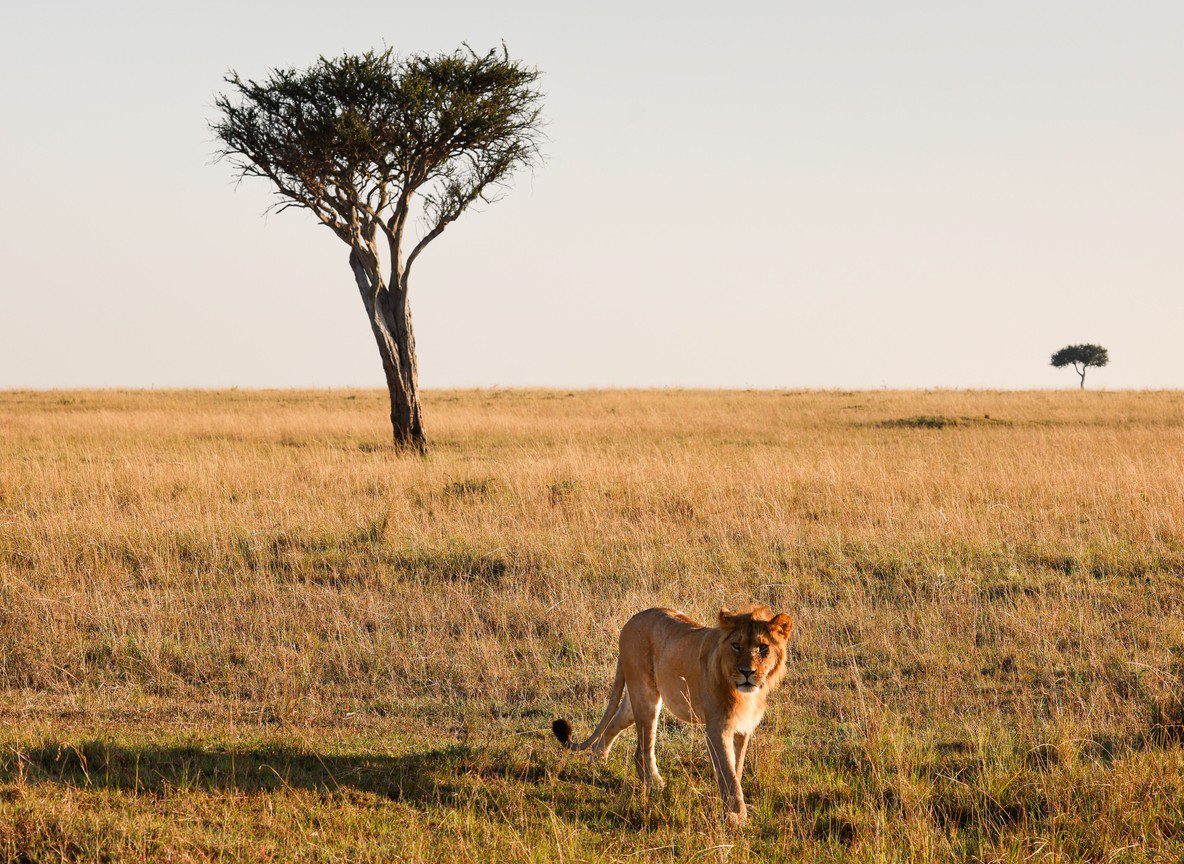
- Lion prides positioned along migration paths
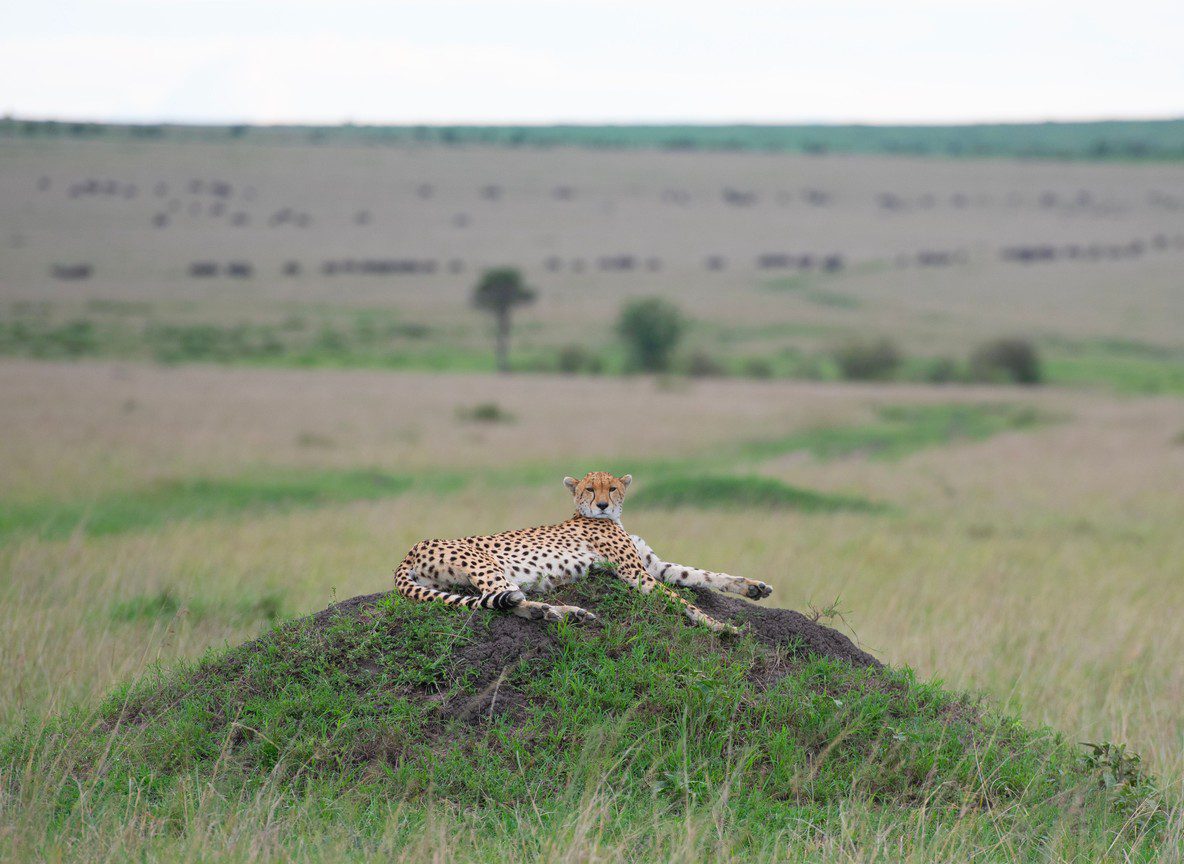
- Cheetah on the flanks of the herds hunting gazelle
- Hyenas and vultures following the column
- Nile crocodiles near river channels in large numbers during peak crossings
If herds are stacking near the river, the guide will position and wait. River-crossing decisions happen on the herd’s timeline, not the guide’s. The wait can be 30 minutes or four hours. This is one of those places where patience is not optional.
Day 3: River Crossing Strategy
Day 3 is typically the strongest crossing attempt day. You are rested, the guide has a clearer read on herd positioning from two previous drives, and camp radio networks will have accumulated fresh overnight reports.
A good migration itinerary does not guarantee a crossing — it creates time and positioning for one to happen. The key variables are herd density near the river, water level in the Mara River, lead animal behaviour at the bank, and the absence of vehicles that crowd the crossing point and spook the lead animals.
Practical notes for river-crossing days:
- Expect long waits with little movement
- Take a packed lunch so the guide is not forced to return to camp at midday
- Stay in position even when the herds seem to hesitate
- Listen to your guide on vehicle positioning — too close and the animals abort
If a crossing occurs, it is overwhelming and fast. Thousands of animals enter the water over a few minutes, crocodiles surge into the crossing zone, and the dust and noise is immediate. Watch first. The camera can follow.
Day 4: Conservancy and Broader Mara Coverage
By Day 4 you have covered migration-specific positioning for two days. Today brings flexibility.
If your camp is in or adjacent to a private conservancy, this is an excellent day for a walking safari or a night drive (both forbidden in the national reserve). The conservancy ecosystem — less vehicle traffic, off-road access, different wildlife patterns — provides useful contrast to the reserve-focused days.
Activities by camp location:
- Conservancy camp: Walking safari with qualified guide in the morning; afternoon game drive in the reserve
- Reserve-adjacent camp: Extended drive into the Mara Triangle or Talek corridor zones not yet covered
- Community area access: Maasai cultural visit or conservation briefing
Day 5: Final Drive and Departure
The final morning game drive runs until your transfer or flight window requires return to camp. Flying guests can usually take a full 05:30 to 08:30 drive before heading to the airstrip for a midday Nairobi connection. Road travellers should plan a slightly earlier return to allow for the five-to-six-hour drive back.
Do not schedule a same-day international departure tight against the return transfer. Safari travel involves airstrip timing, weather delays, and road variables. An overnight in Nairobi on the final night of a migration trip removes that pressure entirely.
Best Months for a 5-Day Migration Itinerary
| Month | Migration Status | Notes |
|---|---|---|
| July | Early arrivals, first crossings | Good for avoiding peak crowds |
| August | Peak concentration, multiple crossings | Highest vehicle numbers; strong guide positioning critical |
| September | Best light, strong activity, fewer vehicles than August | Often the most balanced month |
| October | Late-season movement, herds beginning to return south | Warm, good for photography |
| January to March | No Mara migration; Serengeti calving season in Tanzania | Consider a resident wildlife itinerary or Tanzania alternative |
Fly-In vs Road Transfer
Flying: Wilson Airport to Mara airstrips is 45 to 55 minutes. Day 1 arrives productive. Day 5 allows a full morning game drive before a midday Nairobi landing. Recommended for five-day itineraries where maximising field time is the priority.
Road: Five to six hours from Nairobi via Narok. Viable but Day 1 is a travel day, not a safari day. More practical for travellers who value the Great Rift Valley road experience or for budget-focused itineraries where the flight cost is a meaningful constraint.
What to Pack for Migration Season
Migration season runs July to October, Kenyan winter to spring. Mornings and evenings are cold — temperatures at the Mara at 05:30 regularly drop to 12 to 15 degrees Celsius. A fleece or lightweight down jacket is not optional.
Dust is present throughout the dry season. A buff or light scarf for open-vehicle drives is useful. Rain is possible even in the dry season; a lightweight waterproof layer takes no space.
Planning Your Trip
For full coverage of the Masai Mara ecosystem across seasons, the Tourinsights Masai Mara guide covers camp options, zone differences, and what the migration actually looks like from the ground. For help deciding between five days and a longer stay, the Tourinsights 3 nights vs 5 nights comparison gives the decision framework in detail. For the full Kenya safari picture beyond just the Mara, the 10-day Kenya safari itinerary guide shows how the migration fits into a broader circuit.
Turn this reading into a real itinerary with help from a Kenya-based safari team.
Start Planning Your SafariFurther reading
Related Kenya safari guides
- Serengeti Wildebeest Migration: The Tanzania Chapter Explained
- Masai Mara Great Migration: The Complete Guide
- Masai Mara: Great Migration vs Resident Wildlife Explained
- Lewa Conservancy Safari Packing Guide: What to Wear
- Kenya eTA vs Visa on Arrival: What Safari Travellers Need to Know
- Kenya Cheetah Safari: Best Parks and What to Expect
- Kenya Safari Cost Per Day 2026: Real Budget Breakdown